
Attending Your First Chamber Music Concert

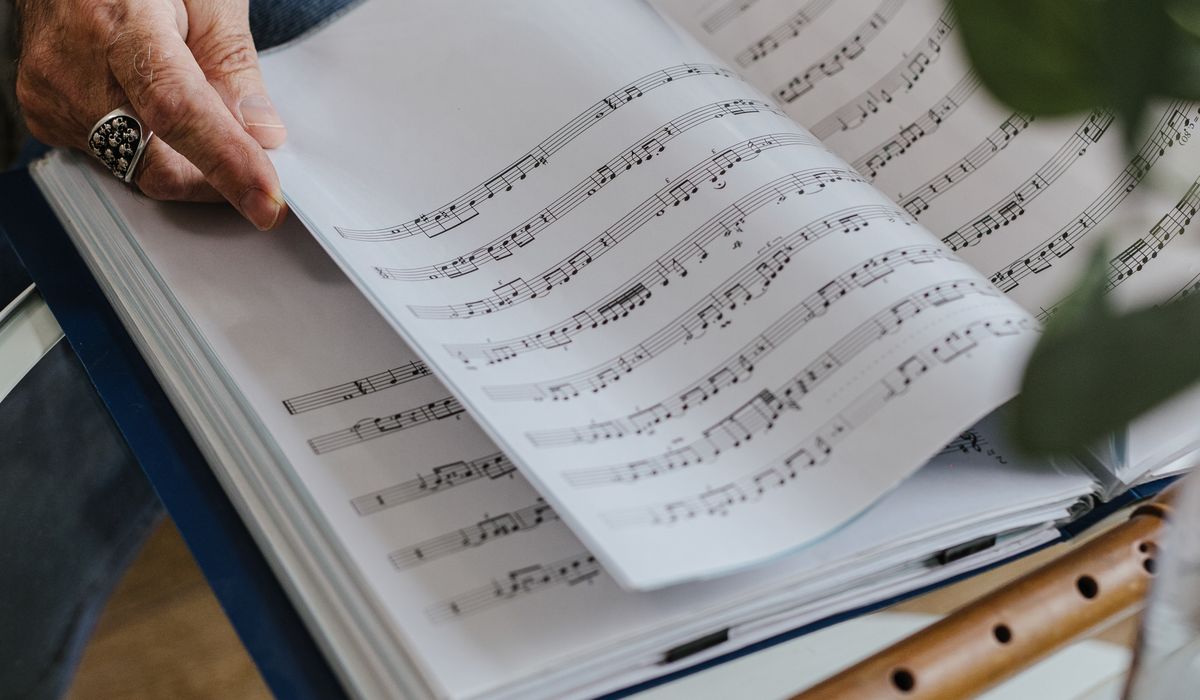
What Actually Happens at a Chamber Music Concert
Chamber music is simply music written for a small group of players, usually one to a part, in a room rather than a hall. That intimacy is the whole point. Where an orchestra fills a concert hall with sound, a string quartet or piano trio fills a smaller space with conversation. You will hear the players breathe, turn pages, and catch each other's eyes. For a first-timer, that closeness can feel exposing, but it is also what makes the experience so rewarding.
Most UK chamber concerts take place in places like Wigmore Hall, the Purcell Room, local music societies, church halls, or university recital rooms. Seating is usually unreserved or lightly reserved, and the audience is generally friendly and unpretentious. You do not need to know the music in advance. Curiosity is enough.
Arriving, Tickets and Where to Sit
Aim to arrive around twenty to thirty minutes before the start. This gives you time to collect tickets, find the cloakroom, and settle without feeling rushed. Most venues stop admitting latecomers until a suitable pause between movements or works, so arriving late can mean waiting in the foyer, which is far more stressful than it sounds.
On seating, here is a practical rule of thumb:
- Front rows suit anyone who wants to watch fingers, bows and page turns up close. You will hear the players' breathing, which some people love and others find distracting.
- Middle rows usually offer the best balance of sound and sightlines, and are kind to newcomers.
- Balcony or gallery can be excellent in halls with good acoustics, giving you a clear view of the whole ensemble.
- Sides are often fine, but if you are far off-centre the balance between instruments may shift.
If you have any access needs, mention them when booking. Most UK venues are helpful, but accessible seating is limited and goes quickly.
The Language of the Programme
Programme notes are your friend, not homework. A typical chamber concert lasts around two hours including an interval, and usually features two or three works. Look for the date of composition, the composer's nationality, and any note about the piece's mood or structure. You do not need to memorise any of it.
You will see movements listed with tempo markings in Italian, such as Allegro (fast), Adagio (slow), or Scherzo (playful). A string quartet normally has four movements; a sonata often has three. These are just signposts. If the notes are dense, read the first paragraph and let the rest go.
One useful habit: before the music begins, glance at the order of the players in the ensemble so you can follow who is leading. In a quartet, the first violinist usually sits on the left, and the cellist faces you.
When to Clap, Cough and Move
The old rule about not clapping between movements is softer than it used to be, but it still holds in most UK chamber settings. If you are unsure, wait a beat. Applause at the end of a whole work is always correct. When the audience does clap, it is warm and brief, not a test.
Practical comfort matters more than etiquette:
- Coughing — suppress if you can, but do not suffer in silence. A quiet cough into a sleeve during a loud passage is far less disruptive than a stifled fit.
- Unwrapping sweets — do this before the music starts, or not at all.
- Phones — silence them, and ideally keep them out of sight. Screens glow in dark rooms.
- Leaving mid-performance — avoid if possible. If you must, wait for a movement to end and slip out discreetly.
Whispering is the one thing that genuinely distracts players and neighbours. Save your observations for the interval.
Getting the Most from the Listening
You do not need technical knowledge to enjoy chamber music. Try listening for conversation: one instrument plays a phrase, another answers, a third interrupts. In a piano trio, notice how the piano often provides the harmonic floor while the violin and cello trade melodies. In a quartet, listen for the viola, which often holds the middle together without shouting about it.
Let your attention wander and return. If your mind drifts during a slow movement, that is normal. The music will still be there when you come back. Some regulars pick a single thread, such as the cello's line, and follow it for a whole movement. Others close their eyes and simply let the sound wash over them. Both are valid.
Afterwards, if a piece moved you, look up the composer and the work at home. A little follow-up listening turns a pleasant evening into a lifelong pleasure. And if you enjoyed yourself, consider joining a local music society mailing list — smaller UK venues often rely on regular audiences, and tickets are usually modestly priced.

Joeby Ragpa
This template is so awesome. I didn’t expect so many features inside. E-commerce pages are very useful, you can launch your online store in few seconds. I will rate 5 stars.
ReplyAlexander Samokhin
This template is so awesome. I didn’t expect so many features inside. E-commerce pages are very useful, you can launch your online store in few seconds. I will rate 5 stars.
ReplyChris Root
This template is so awesome. I didn’t expect so many features inside. E-commerce pages are very useful, you can launch your online store in few seconds. I will rate 5 stars.
Reply