
Exploring Silence in Contemporary Chamber Works

Silence Is Not Empty
When you first meet a contemporary chamber work, the pauses can feel like a test. Thirty seconds of nothing after a single violin harmonic. A piano chord allowed to fade until only the room is left. A bar of rest that seems to stretch well past comfort. It is tempting to hear this as absence — the composer running out of ideas, or being deliberately difficult.
Listen again. In the chamber repertoire of the past seventy years, silence is material. It has weight, duration, colour and consequence. The string writing of Luigi Nono, the late quartets of Morton Feldman and the ensemble pieces of Rebecca Saunders all treat the gap between events as something shaped rather than something left over. Once you accept that, the music opens up enormously — and a good deal of what once felt intimidating starts to feel like architecture.
Three Kinds of Silence You Can Hear
It helps to separate what is actually happening. In practice you will meet three distinct things, and they behave quite differently:
- Notated silence — a written rest. It has a precise length and sits inside the metre. The players are counting; the pulse continues even though nobody is playing.
- Acoustic decay — the tail of a note or chord as it dies into the room. Composers from Helmut Lachenmann to Hans Abrahamsen write for the decay itself, choosing registers so that a fade lasts exactly as long as they need it to.
- Environmental silence — the ambient sound of the venue. Ventilation hum, distant traffic, the audience breathing. In very quiet passages this becomes part of the texture, whether or not the composer asked for it.
Knowing which of the three you are inside is half the work. A rest that keeps the pulse alive feels completely different from a decay that dissolves it.
A Listening Toolkit for the Concert Hall
These are practical habits rather than theory. Try one at a time:
- Follow the decay to its end. Most listeners cut it off early, mentally filing the note away as finished. Let the sound disappear completely before you decide what it meant.
- Keep an internal pulse through the rests. Count slowly in twos or threes. You will start to feel whether a silence is a held breath or a genuine rupture.
- Notice who breaks the silence, and how. A sudden entry after a long gap is an event in its own right: a scrape, a breath, a single pizzicato can carry more force than a fortissimo chord.
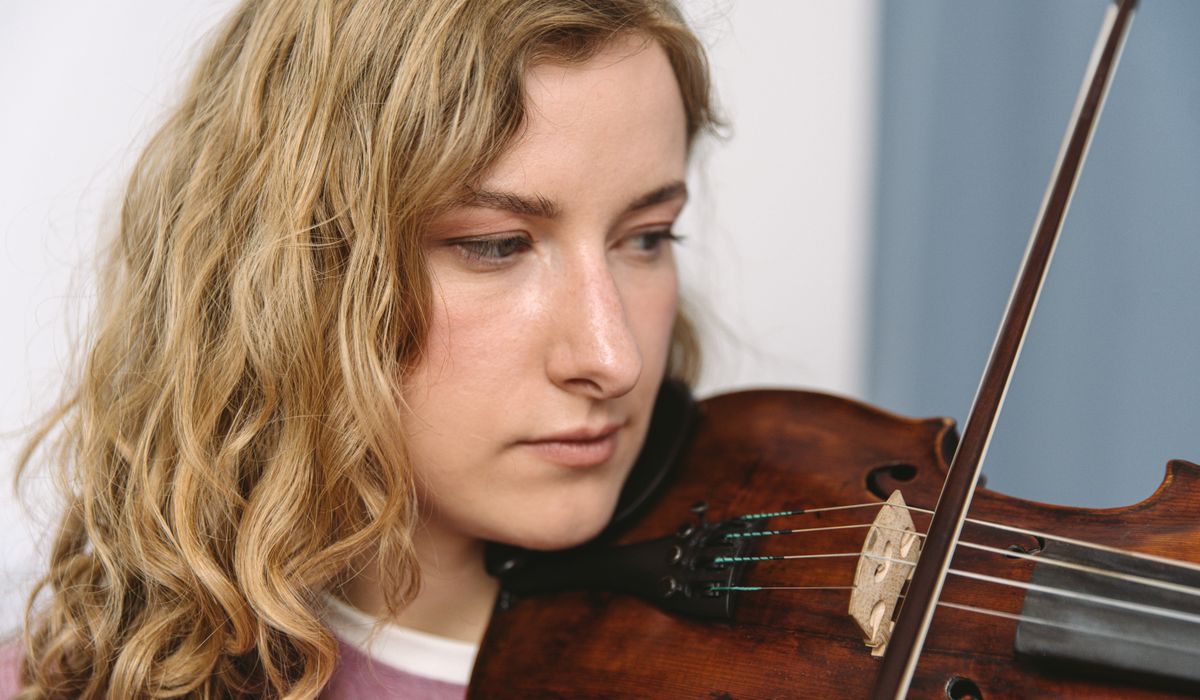
- Watch the players' bodies. A bow held above the string, a hand hovering over the keys, an intake of breath — these are cues, and reading them is part of chamber music's intimacy.
- Do not fill the gap. Programme rustle, a whispered comment or a jangling bracelet lands like a hammer blow in a quiet movement. Sit still; the stillness is shared.
Where to Begin
You do not need to start with the most austere repertoire. Feldman's late chamber music, such as the Piano and String Quartet, is a generous introduction: the silences are long but the material is gentle and unhurried, and the piece teaches you its own timescale within ten minutes. Nono's Fragmente-Stille, an Diotima for string quartet uses silence as a form of address — quiet, fragmented, intensely lyrical.
For something more abrasive, Lachenmann's Gran Torso treats noise and pause as equal citizens, and the gaps are frequently startling rather than serene. Closer to home, composers such as Cassandra Miller and Laurence Crane write chamber music in which a single held note and the space around it do most of the emotional work. Live performance is the ideal, but a decent recording heard at low volume in a quiet room will do.
Practising Between Concerts
Attention to silence is a trainable skill. Choose one work you know reasonably well and listen with a stopwatch or timer. Note the longest pause in the piece and how long it truly lasts — usually far shorter than it felt. Then listen again and hum the note that follows each significant gap. You will find you can predict it, which means you have internalised the harmony.
Sit nearer the players when you can. In a small hall, the mechanical sounds of bows, keys and breath become audible, and these are not distractions; they are the frame around the quiet. If a piece baffles you, stay for the second half anyway. Contemporary chamber music rewards patience more reliably than almost any other repertoire, and the moment a silence suddenly makes sense is one of the great pleasures of listening.

Joeby Ragpa
This template is so awesome. I didn’t expect so many features inside. E-commerce pages are very useful, you can launch your online store in few seconds. I will rate 5 stars.
ReplyAlexander Samokhin
This template is so awesome. I didn’t expect so many features inside. E-commerce pages are very useful, you can launch your online store in few seconds. I will rate 5 stars.
ReplyChris Root
This template is so awesome. I didn’t expect so many features inside. E-commerce pages are very useful, you can launch your online store in few seconds. I will rate 5 stars.
Reply