
Finding Accessible Contemporary Chamber Music Concerts

Why Contemporary Chamber Music Deserves a Second Look
For many concertgoers, the phrase "contemporary chamber music" conjures up an evening of scratchy strings, awkward silences and a programme note written in impenetrable jargon. That reputation is unfair, and it is increasingly out of date. Across the UK, from small parish halls in rural counties to converted warehouses in our cities, promoters are finding imaginative ways to present new work alongside the repertoire we already love. The result is a live music experience that feels welcoming rather than worthy.
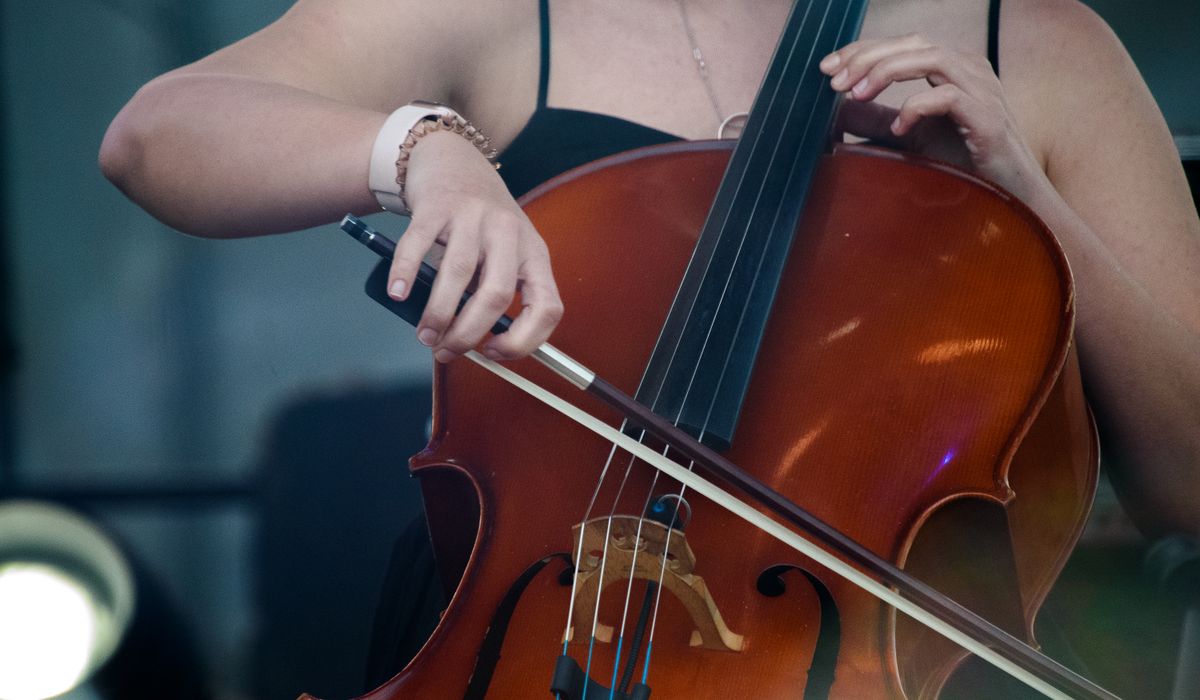
Chamber music is, by its nature, the most intimate of classical forms. A string quartet or a wind quintet in a modest venue can communicate with an immediacy that a large symphony orchestra simply cannot match. When the music is new, that intimacy works in your favour: you can see the players' fingers on the strings, watch the interplay between musicians, and hear every detail without straining. The trick is knowing where to look and what to expect.
Relaxed Performances: A Gentler Way In
One of the most welcome developments in UK concert life is the rise of the relaxed performance. Originally developed for audiences who might find standard concert conditions difficult, including people with autism, sensory sensitivities or dementia, these events have broad appeal. At a relaxed concert you will typically find:
- House lights left partially up, so you can see the players and your surroundings
- Doors that remain open, allowing you to leave and return without embarrassment
- No shushing, no stern looks if you need to move or cough
- Programmes kept short, often forty-five minutes or less without an interval
- Often a spoken introduction from the performers, explaining what is coming
These concerts are frequently staged by music societies, festivals and ensembles specialising in new music. They are a particularly good choice if you are curious about contemporary work but worried about sitting through something baffling for two hours. If you can, arrive early and speak to the front-of-house team. In my experience they are delighted to explain the format and put you at ease.
Pre-Concert Talks and Programme Notes That Help
A good pre-concert talk can transform your listening. Lasting twenty to thirty minutes and usually free with a ticket, these sessions often feature the composer, a performer or a knowledgeable broadcaster. They might play short recorded extracts, demonstrate a particular technique, or simply explain the story behind the piece. Listen out for talks that focus on what to listen for rather than abstract theory.
Programme notes deserve more credit than they often get. Contemporary music notes have improved enormously in recent years. Look for annotations that tell you the piece's duration, its structure and any recurring musical ideas. If a note is dense, do not feel obliged to read every word. Skim for the composer's own description of the work, which is usually the most illuminating part.
Programmes That Pair the Familiar With the New
The single most reliable indicator of a welcoming contemporary concert is the programme itself. Promoters who understand their audience will often sandwich a new work between two established pieces. A typical evening might open with a Haydn quartet, move into a recent commission, and close with a Brahms sextet. This structure gives your ear a chance to settle and offers useful points of comparison.
Look for phrases such as "world premiere", "UK premiere" or "new commission" in listings, but also check how they sit alongside familiar names. A concert of entirely new music is not necessarily harder to enjoy, but a mixed programme is often the gentler introduction. Some promoters go further by pairing works from different centuries that share a mood or a theme, which can make the new piece feel like part of a conversation rather than an interruption.
Practical Steps for Your First Contemporary Concert
If you are ready to give it a try, a little preparation goes a long way. Streaming services and broadcasters' websites make it easy to hear a piece before you commit to a ticket, and many ensembles post short videos of rehearsals. Knowing the opening bars of a work means you will recognise them in the hall and feel immediately more grounded.
- Choose a venue you already know, so the building itself is not a distraction
- Book an aisle seat if you might want to slip out or simply feel more comfortable
- Take a friend and agree to compare notes at the interval
- Allow yourself not to like everything; disliking a piece is a perfectly valid response
- Stay for the post-concert chat if there is one, as performers are often generous with their time
Ticket prices for contemporary chamber concerts are frequently modest, especially outside London. Many music societies offer reduced rates for students, under-thirties and those on lower incomes, and some events are free. It is worth signing up to a local promoter's mailing list, as small venues often announce relaxed performances and introductory events at short notice.
Where to Find These Concerts Near You
Start with your local music society, university music department or arts centre. Many run regular chamber series with a strong commitment to new work. Festivals are another rich source: even a modest weekend festival will often include a relaxed concert, a composer talk and a late-night set of short new pieces. Keep an eye on listings in regional newspapers, library noticeboards and community newsletters, which often carry the smaller events that never make national listings.
If you are in a city, the lunchtime concert series at churches and concert halls are an excellent low-risk option, typically lasting an hour and often free. In rural areas, touring ensembles bring contemporary programmes to village halls and churches, frequently with a spoken introduction built into the performance. Wherever you are, the principle is the same: look for the promoters who explain, who welcome questions and who trust their audiences with something new.
Contemporary chamber music is not a test. It is a living art form, written by people who want to communicate with you. With the right setting, a helpful introduction and a programme that meets you halfway, it can be one of the most rewarding evenings in your concert-going calendar.

Joeby Ragpa
This template is so awesome. I didn’t expect so many features inside. E-commerce pages are very useful, you can launch your online store in few seconds. I will rate 5 stars.
ReplyAlexander Samokhin
This template is so awesome. I didn’t expect so many features inside. E-commerce pages are very useful, you can launch your online store in few seconds. I will rate 5 stars.
ReplyChris Root
This template is so awesome. I didn’t expect so many features inside. E-commerce pages are very useful, you can launch your online store in few seconds. I will rate 5 stars.
Reply